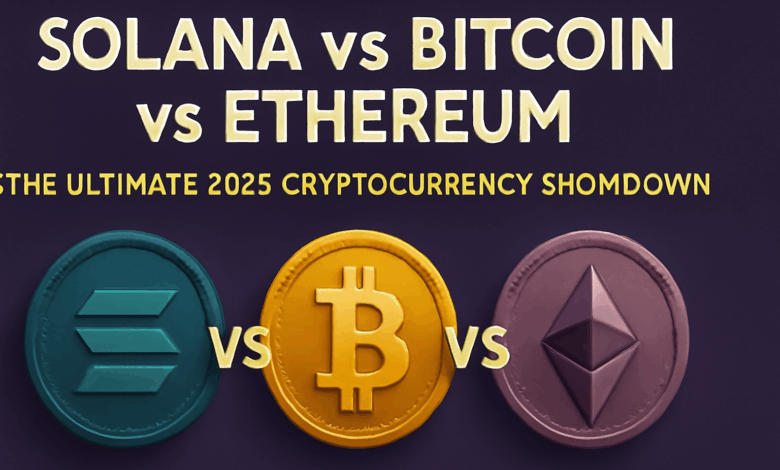
Ethereum has rapidly evolved from a basic cryptocurrency into a central player in the blockchain ecosystem. This transformation has positioned Ethereum as a foundational element in the ongoing crypto revolution, especially in its shift towards Ethereum 2.0 and the integration of innovative technologies. With a growing institutional interest and numerous scalability upgrades, Ethereum continues to set the pace in the decentralized finance landscape.
Why is Ethereum considered the heart of the crypto revolution?
Ethereum stands out as more than just a digital currency; it serves as a platform for innovation and development. Its ability to support decentralized applications (DApps) has catalyzed a wide range of projects that leverage blockchain technology. This versatility is a key reason why Ethereum remains the heart of the crypto revolution.
Additionally, Ethereum has pioneered the concept of smart contracts, which automate processes and eliminate the need for intermediaries. This has opened new avenues for businesses and developers, allowing for more efficient and transparent transactions.
The transition to Ethereum 2.0 has further solidified its position. By adopting a Proof-of-Stake mechanism, Ethereum has enhanced its scalability and energy efficiency, addressing some of the major criticisms it faced in the past. This evolution has contributed to its resilience in a competitive market.


How has Ethereum evolved beyond a simple cryptocurrency?
Ethereum’s evolution has been marked by key technological upgrades and a shift in its use case. Initially launched as a cryptocurrency for peer-to-peer transactions, it has transformed into a robust platform for various applications.
1. Smart Contracts: Through smart contracts, Ethereum enables self-executing agreements that run on the blockchain, fostering trust and reducing fraud.
2. Decentralized Finance (DeFi): Ethereum is at the forefront of the DeFi movement, allowing users to borrow, lend, and trade assets without traditional financial institutions.
3. NFT Marketplaces: The rise of non-fungible tokens (NFTs) has further showcased Ethereum’s capabilities, with artists and creators utilizing the platform to sell digital art and collectibles.
Moreover, continuous updates and community support have propelled Ethereum’s status as a leading blockchain platform, allowing it to adapt to an ever-changing landscape.
What role do spot ETH ETFs play in Ethereum’s future?
The approval of spot ETH ETFs by the SEC has been a game-changer for Ethereum. These financial products allow traditional investors to gain exposure to Ethereum without directly purchasing the cryptocurrency. This shift has significant implications for the market.
– Increased Institutional Investment: Spot ETH ETFs are attracting institutional capital, which has historically been hesitant to enter the crypto space. This influx of funds is expected to drive demand and liquidity.
– Market Stability: By enabling more institutional participation, spot ETH ETFs can help stabilize the price of Ethereum, making it less susceptible to the volatility characteristic of cryptocurrencies.
– Mainstream Adoption: As more investors become aware of these ETFs, Ethereum’s visibility increases, fostering greater public interest and adoption.
Overall, spot ETH ETFs represent a significant step towards mainstream acceptance, further solidifying Ethereum’s role in the financial ecosystem.
Why are layer 2 solutions essential for Ethereum’s scalability?
Layer 2 solutions are critical for addressing Ethereum’s scalability challenges. As transaction volumes increase, the network has faced congestion and high fees, which layer 2 solutions aim to alleviate.
1. Reduced Fees: Solutions like Arbitrum and Optimism significantly lower transaction costs, making Ethereum more accessible to a broader audience.
2. Increased Throughput: Layer 2 rollups enable a greater number of transactions to be processed simultaneously, enhancing overall efficiency.
3. Enhanced User Experience: By improving transaction speeds and reducing fees, layer 2 solutions create a more user-friendly environment, attracting more developers and users to the Ethereum network.
These enhancements are essential for Ethereum to maintain its competitive edge amidst rising challenges from other blockchain platforms.
What is the significance of the Holesky Testnet for Ethereum?
The Holesky Testnet plays a crucial role in ensuring the robustness of Ethereum’s blockchain. This testing environment allows developers to experiment with new features and upgrades before they go live.
– Controlled Testing: By simulating real-world conditions, the Holesky Testnet helps identify potential issues and vulnerabilities, ensuring that the main network remains secure and efficient.
– Improved Protocol Resilience: The insights gained from Holesky contribute to a more resilient Ethereum protocol, capable of withstanding various challenges.
– Developer Engagement: The testnet fosters a collaborative environment for developers to innovate and test their ideas, further enhancing the Ethereum ecosystem.
As Ethereum continues to evolve, the Holesky Testnet will be instrumental in facilitating safe and effective upgrades.
What are the key developments fueling Ethereum’s future price growth?
Several key developments are poised to drive Ethereum’s price growth in the coming years. These advancements highlight Ethereum’s potential as a leading digital asset.
1. Ethereum 2.0 Upgrades: The transition to Ethereum 2.0 is expected to enhance scalability and energy efficiency, attracting more users and investors.
2. Institutional Adoption: Growing institutional interest, particularly due to products like spot ETH ETFs, is likely to drive demand and positively impact pricing.
3. Innovations in Layer 2 Solutions: Continuous improvements in layer 2 technologies will increase transaction capacity and lower costs, making Ethereum more appealing.
Furthermore, projections suggest that Ethereum could reach impressive price targets, potentially hitting $10,000 by 2030, driven by these developments.
Related questions about Ethereum and its future
What if you bought $1000 of Ethereum 5 years ago?
If you had invested $1,000 in Ethereum five years ago, the value of your investment would have significantly increased, given Ethereum’s impressive growth during that period. With Ethereum trading around $300 in early 2018 and peaking at over $4,800 in late 2021, your investment would have skyrocketed, reflecting the cryptocurrency’s volatility and potential for substantial returns.
Investors who bought Ethereum at lower prices have seen their portfolios flourish, showcasing the asset’s resilience and capacity for price appreciation. This trend underscores the importance of timing and market awareness in cryptocurrency investments.
Can Ethereum reach $50,000?
While predicting exact price targets in the cryptocurrency market can be challenging, many analysts believe that Ethereum could potentially reach $50,000 in the future. This optimistic view is based on several factors, including:
– Continued Adoption: Increased usage of Ethereum for DeFi and NFT applications can drive demand, pushing prices higher.
– Technological Advances: Ongoing upgrades, such as Ethereum 2.0 and layer 2 solutions, are expected to enhance scalability and user experience.
– Market Conditions: As the overall cryptocurrency market matures and gains institutional support, Ethereum’s price could benefit significantly.
Though reaching $50,000 is ambitious, the factors contributing to Ethereum’s growth make it a possibility that investors are watching closely.
Why is Ethereum so special?
Ethereum’s uniqueness stems from its versatile platform that allows developers to build decentralized applications using smart contracts. Unlike Bitcoin, which primarily serves as a digital currency, Ethereum enables a wide range of functionalities, including:
– Decentralized Finance (DeFi): Ethereum’s infrastructure supports various financial services without intermediaries, revolutionizing the financial landscape.
– Non-Fungible Tokens (NFTs): Its ability to support NFTs has opened new avenues for artists, creators, and collectors.
– Community-Driven Development: Ethereum’s active developer community continuously innovates and improves the platform, fostering a dynamic ecosystem.
These attributes make Ethereum a cornerstone of the blockchain revolution and an attractive option for investors and developers alike.
Who owns 90% of Bitcoin today?
The distribution of Bitcoin ownership is a topic of much debate. Reports suggest that a significant portion of Bitcoin is held by a small number of wallets, leading to concerns about centralization. While exact ownership percentages fluctuate, it is estimated that a substantial amount is concentrated among early adopters, institutional investors, and exchanges.
This concentration of ownership can impact the market, as large holders may influence price movements through their trading decisions. Understanding Bitcoin’s ownership distribution is critical for investors as they navigate the complex cryptocurrency landscape.