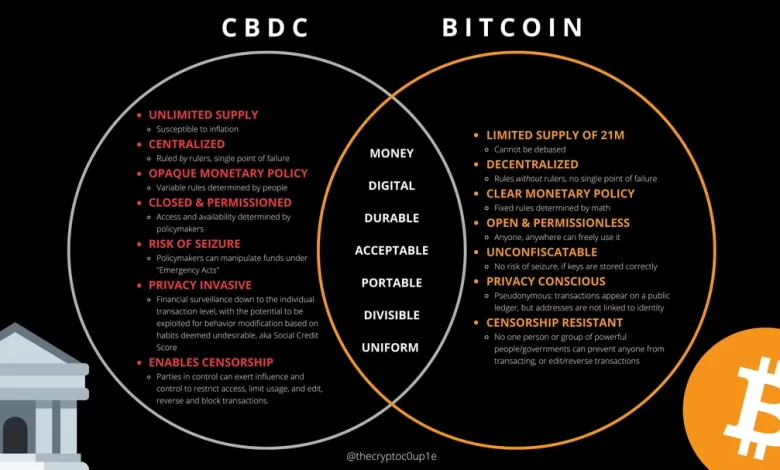
The ongoing debate between cryptocurrencies and traditional banking is shaping the future of finance. As digital currencies gain traction, understanding their differences, advantages, and drawbacks becomes crucial for consumers and investors alike.
In this article, we will explore the landscape of crypto vs. traditional banking to determine which system may ultimately prevail.
What Is Cryptocurrency?
Cryptocurrency is a form of digital or virtual currency that uses cryptography for security. It operates on a technology called blockchain, which is a decentralized ledger that records all transactions across a network of computers. This decentralization makes it resistant to fraud and manipulation.
Unlike traditional currencies issued by governments, cryptocurrencies are typically created through a process called mining or are pre-mined. The most well-known cryptocurrency is Bitcoin, which was introduced in 2009 as the first decentralized digital currency.




One of the key features of cryptocurrencies is their ability to facilitate peer-to-peer transactions without the need for intermediaries like banks. This feature has attracted a growing number of users who appreciate the control and privacy it offers.
What Is Traditional Currency?
Traditional currency, often referred to as fiat money, is the official currency issued by a government. It is backed by the trust and stability of that government, allowing it to function as a medium of exchange for goods and services.
Fiat currencies are regulated by central banks, which have the authority to control the money supply and implement monetary policy. This regulation aims to maintain economic stability and prevent inflation or deflation.
In contrast to cryptocurrencies, traditional currencies are tangible and can be physically held, often in the form of coins and banknotes. They are widely accepted for transactions and are integral to the global economy.
Key Differences Between Cryptocurrency and Traditional Currency
- Centralization vs. Decentralization: Traditional currency is centralized and regulated by governments, while cryptocurrency is decentralized and operates on blockchain technology.
- Transaction Speed: Cryptocurrency transactions can be processed much faster than traditional bank transactions, which may take days to clear.
- Privacy: Transactions made with cryptocurrencies can offer a higher level of anonymity compared to traditional banking systems.
- Volatility: Cryptocurrencies are known for their price volatility, while traditional currencies tend to be more stable.
- Accessibility: Cryptocurrencies can be accessed globally and usually require only an internet connection, whereas traditional banking systems can have geographical restrictions.
These differences highlight the unique characteristics and challenges of both systems, influencing how users approach their financial transactions.
Why Is Cryptocurrency Better Than Regular Currency?
Many proponents argue that cryptocurrency offers several advantages over traditional currency. Firstly, the decentralized nature of cryptocurrencies can lead to increased security and reduced fraud risks. Because transactions are recorded on a blockchain, they are transparent and immutable.
Additionally, cryptocurrencies can facilitate faster and cheaper transactions, especially for international payments. Traditional banking systems often charge high fees and take longer to process cross-border transactions.
Another major benefit is financial inclusion. Cryptocurrencies can provide banking services to unbanked populations in remote areas, allowing them to participate in the global economy.
Finally, the potential for high returns has attracted many investors to cryptocurrencies. Although they come with risks, their growth has the potential to significantly outpace traditional investments.
The Future of Cryptocurrency and Traditional Currency
The future of cryptocurrency and traditional currency is still uncertain. As more individuals and businesses adopt cryptocurrencies, we may see a shift in how financial transactions are conducted.
Governments are beginning to explore Central Bank Digital Currencies (CBDCs), which could combine the benefits of cryptocurrencies with the stability of traditional money. These digital currencies would be regulated but could also enhance payment efficiency.
Moreover, regulatory frameworks are evolving to address the challenges posed by cryptocurrencies, including taxation and consumer protection. This could lead to greater acceptance of digital currencies within traditional financial systems.
How Are Crypto Banks Different From Traditional Banks?
Crypto banks operate differently than traditional banks by primarily focusing on the management and exchange of cryptocurrencies. They often provide services such as crypto wallets, trading platforms, and even lending and staking options.
Unlike traditional banks, which store fiat currency and offer loans based on deposits, crypto banks deal with digital assets and use blockchain technology for transactions. This can result in lower operational costs and faster transaction times.
Another significant difference is in regulatory oversight. While traditional banks are heavily regulated by government entities, many crypto banks operate in a less regulated environment, providing both opportunities and risks for consumers.
What Are The Key Benefits Of Using Cryptocurrency?
- Decentralization: Reduces the control of central banks and governments over your funds.
- Security: Transactions are encrypted and secure, minimizing the risk of fraud.
- Global Accessibility: Cryptocurrencies can be accessed from anywhere with an internet connection.
- Lower Fees: Reduced transaction fees compared to traditional banking methods.
- Investment Opportunities: Potential for high returns through trading and investing in digital assets.
The unique benefits of cryptocurrencies are particularly appealing to those seeking alternatives to conventional financial systems.
Related Questions About the Future of Banking and Cryptocurrency
Questions related to the future of banking and cryptocurrency
Is crypto better than banks?
Whether crypto is better than banks depends on individual needs and preferences. For those seeking privacy and lower fees, cryptocurrency could be more appealing. However, traditional banks provide stability and regulatory protections that many users find valuable.
What does Warren Buffett say about crypto?
Warren Buffett has been critical of cryptocurrencies, referring to them as “rat poison squared.” He believes they lack intrinsic value and are speculative investments. His view emphasizes caution when investing in digital currencies due to their volatility and risks.
What does Dave Ramsey say about crypto?
Dave Ramsey also advises against investing in cryptocurrencies, labeling them as risky and unpredictable. He suggests focusing on stable investments that provide long-term growth rather than getting caught up in the hype surrounding digital currencies.
Will crypto ever replace banks?
It is unlikely that crypto will fully replace banks, but it may continue to disrupt traditional banking systems. As decentralized finance (DeFi) grows, we may see a hybrid model where cryptocurrencies complement traditional banking rather than completely replacing it.