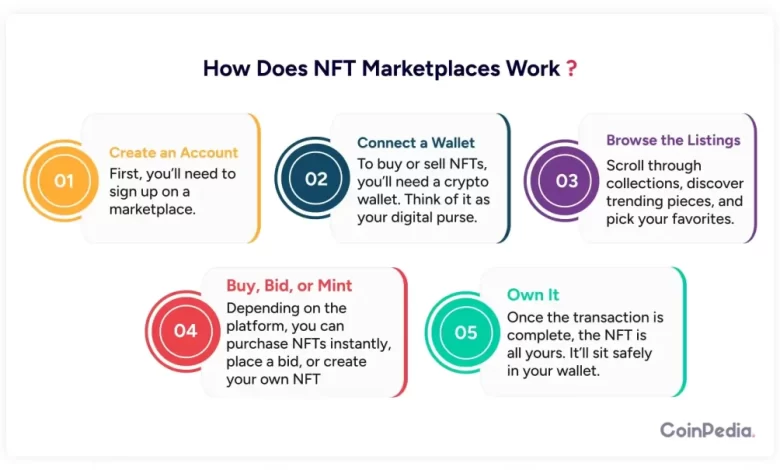
As we delve into the world of NFTs in 2025, it’s essential to grasp their significance and evolution. These digital assets have transcended their initial niche, impacting various sectors and redefining ownership.
This article will explore the fundamentals of NFTs, their relevance in 2025, and their practical applications, shedding light on how they function and why they are considered valuable.
What Are NFTs and How Do They Work?
Non-fungible tokens, commonly known as NFTs, are unique digital assets stored on a blockchain. Unlike cryptocurrencies, which are interchangeable, NFTs are distinct and cannot be exchanged on a one-to-one basis.
Each NFT contains metadata that verifies its uniqueness and ownership, secured through private keys. This technology ensures that the authenticity of each digital asset can be traced back to its original creator. With standards such as ERC-721 and ERC-1155, NFTs are becoming increasingly standardized, making them more accessible.



One of the first popular applications of NFTs was seen with games like CryptoKitties, where users could buy, sell, and breed unique digital cats. As interest in NFTs grows, their applications expand beyond gaming into art, music, and virtual real estate.
Are NFTs Still Relevant in 2025?
By 2025, the NFT market has matured significantly. The initial hype surrounding NFTs has given way to a more practical understanding of their utility. Many industries are adopting NFTs for various purposes, including:
- Art ownership and provenance verification
- Real estate tokenization
- Digital identity management
- Music and entertainment rights
NFTs are considered relevant due to their ability to represent ownership and authenticity in the digital realm, especially as the metaverse continues to grow. The integration of blockchain technology into everyday transactions highlights their importance.
Furthermore, brands and companies are increasingly utilizing NFTs as part of their marketing strategies, offering exclusive content and experiences to consumers, thus reinforcing their relevance in the evolving digital landscape.
What Is the Meaning of NFT?
The term «NFT» stands for non-fungible token, which indicates that these tokens are unique and not interchangeable with other tokens. NFTs represent ownership of specific digital assets. This could range from digital art and music to virtual real estate and collectibles.
In essence, NFTs allow creators to tokenize their work, providing a secure way to buy, sell, and trade their digital creations. This has opened up new revenue streams for artists and creators who previously struggled to monetize their work effectively.
Moreover, the integration of NFTs into various sectors emphasizes their versatility. The ability to securely transfer ownership and maintain a verified record on the blockchain is what sets NFTs apart from other digital assets.
Why Are NFTs Considered Valuable?
The value of NFTs is multi-faceted, influenced by factors such as rarity, demand, and the reputation of the creator. Here are several reasons that contribute to their perceived value:
- Scarcity: The uniqueness of an NFT creates scarcity, making it more desirable for collectors.
- Provenance: Ownership history is easily traceable on the blockchain, which adds value to the asset.
- Creator royalties: Many NFTs are designed to provide ongoing royalties to creators, ensuring they benefit from future sales.
- Community value: Many NFTs are tied to communities or ecosystems that enhance their worth.
As the market matures, NFTs are evolving from speculative investments into legitimate assets that provide real utility. This transformation has attracted a broader audience, making them appealing not only to collectors but also to institutional investors.
How Can You Use NFTs in Real Life?
NFTs are becoming increasingly practical, with various real-world applications emerging. Here are some ways you can utilize NFTs:
- As a form of digital ownership for art, music, and collectibles.
- In real estate transactions, where properties can be tokenized for easier transfer of ownership.
- For fan engagement, where artists can offer exclusive content or experiences to NFT holders.
Furthermore, brands are leveraging NFTs to create exclusive merchandise and experiences, fostering community engagement and loyalty. For instance, companies might release limited edition NFTs that grant holders access to special events or products.
Additionally, NFTs have the potential to be integrated into gaming, where players can own and trade in-game assets, enhancing their gaming experience and investment potential.
What Are the Risks Associated with NFTs?
Despite the potential benefits of NFTs, there are inherent risks that investors and users should be aware of. Some of these risks include:
- Market volatility: The NFT market can be highly speculative, leading to significant price fluctuations.
- Lack of regulation: The NFT space is still largely unregulated, resulting in potential fraud or scams.
- Environmental impact: The energy consumption associated with blockchain transactions has raised concerns regarding sustainability.
It’s crucial for potential investors and users to conduct thorough research and understand these risks before diving into the NFT space. While the opportunities are abundant, awareness of the risks ensures a more informed and strategic approach.
Related Questions About NFTs
What is an NFT art?
NFT art refers to digital artworks that are represented as non-fungible tokens. This means that each piece of NFT art is unique and cannot be replicated, giving it a distinct value. Artists can sell their work directly to collectors, ensuring they retain control over their creations.
Additionally, NFT art can encompass various formats, including images, animations, and even interactive pieces. The use of blockchain technology ensures that the ownership and provenance of the artwork are verifiable.
Why NFTs are a bad investment?
Some investors consider NFTs a bad investment due to the market’s speculative nature. The rapid fluctuations in value can lead to substantial losses, especially for those who buy at inflated prices.
Moreover, the lack of regulation can expose investors to potential scams or fraudulent listings, further complicating the investment landscape. It’s essential for investors to approach NFT purchases with caution and thorough research.
How do NFTs work?
NFTs work by using blockchain technology to establish a digital certificate of ownership for a unique asset. Each NFT is created using smart contracts, which encode the asset’s details, including its creator and ownership history.
This process ensures that each token is distinct and verifiable, allowing for secure transactions. When someone purchases an NFT, the ownership is transferred seamlessly on the blockchain, making it easy to buy, sell, and trade.
Where are NFTs typically stored?
NFTs are typically stored in digital wallets that support blockchain technology. These wallets can be software-based or hardware-based, providing varying levels of security and accessibility.
When purchasing an NFT, the token is transferred to the buyer’s digital wallet, where they can manage and trade their assets. It’s crucial to choose a reputable wallet provider to ensure the security of your digital assets.
Why are NFTs bad?
NFTs may be considered «bad» by some due to their speculative nature and environmental impact. The high energy consumption associated with blockchain transactions raises concerns about sustainability, especially with the increasing popularity of NFTs.
Additionally, the potential for scams and lack of regulatory oversight can create a risky environment for new investors. Understanding these concerns is vital for anyone looking to invest in or utilize NFTs.
What are NFTs used for?
NFTs are used for a variety of purposes, including digital art, collectibles, virtual real estate, and even identity verification. Their ability to represent ownership and authenticity makes them applicable across multiple industries.
Furthermore, NFTs are being integrated into gaming, enabling players to own in-game assets and trade them with others. This versatility makes NFTs a fascinating area of exploration for both creators and investors alike.