Understanding your credit score is essential for managing your financial health. A credit score can significantly influence your ability to secure loans, the interest rates you pay, and other financial opportunities. This article will delve deep into the factors that affect credit scores and provide practical tips on improving yours.
How do I get and keep a good credit score?
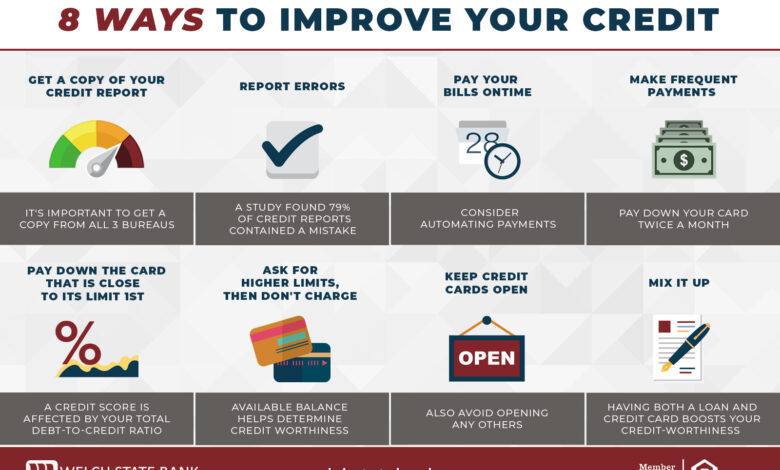
To achieve and maintain a good credit score, it is crucial to adopt responsible credit behavior. This involves making consistent, on-time payments, keeping your debt levels low, and regularly monitoring your credit reports. By doing so, you can effectively manage your credit score over time.
- Pay your bills on time: Payment history is the most significant factor affecting your credit score.
- Keep credit accounts open: Longevity in credit history positively impacts your score.
- Limit new credit applications: Excessive inquiries can lower your score.
- Manage credit utilization: Aim to use less than 30% of your available credit.
Additionally, staying informed about your credit report allows you to correct any inaccuracies that could negatively impact your score. By following these practices, you can steadily progress towards a better credit score.
What is a credit score?
A credit score is a numerical representation of your creditworthiness, typically ranging from 300 to 850. This score is calculated based on your credit history and reflects how likely you are to repay borrowed money.




Understanding credit scores and how to improve yours involves knowing the factors that contribute to your score. These factors include payment history, credit utilization, types of credit accounts, and the age of your credit accounts.
The three main credit bureaus—Equifax, Experian, and TransUnion—calculate credit scores using slightly different methodologies, which can result in variations in your score depending on the bureau.
Why does my credit score matter?
Your credit score plays a crucial role in your financial life. It can directly affect your chances of loan approval, the interest rates you receive, and even your ability to rent a home.
When lenders evaluate your credit score, they gauge the risk of lending you money. A higher score may lead to better loan terms and conditions, while a lower score could result in higher interest rates or outright denial of credit.
Additionally, employers may check your credit score as part of their hiring process, especially for positions that require financial responsibility. Hence, maintaining a good credit score is not just about borrowing money; it can influence various aspects of your life.
How are credit scores calculated?
Credit scores are calculated using various factors, each contributing a different weight to the final score. The main components include:
- Payment history (35%): Your track record of paying bills on time.
- Credit utilization (30%): The ratio of your current credit card balances to credit limits.
- Length of credit history (15%): How long your credit accounts have been active.
- Types of credit (10%): A mix of installment loans and revolving credit accounts.
- New credit inquiries (10%): The number of recent credit applications you’ve made.
Understanding these components will empower you to make informed decisions regarding your credit use and help you strategically improve your credit score over time.
What components make up my credit score?
Several factors come together to form your credit score. Beyond the primary components mentioned previously, there are nuances in how each factor is assessed.
Payment history is the most critical aspect. A single missed payment can have a significant negative impact, so timely payments are essential.
Next is credit utilization, which should ideally be kept below 30%. High balances relative to your credit limits can signal financial distress to lenders.
The age of your credit accounts is equally important. Older accounts provide a longer track record, which can be beneficial. Having a diverse mix of credit types can also enhance your score, as lenders prefer to see that you can manage various credit forms responsibly.
How can I improve my score, or maintain a good score?
Improving your credit score requires a proactive approach. Start by regularly checking your credit reports for errors or inaccuracies. Disputing inaccuracies can lead to immediate improvements in your score.
Here are some practical steps to consider:
- Automate bill payments: Setting up automatic payments can help ensure you never miss a due date.
- Pay down existing debt: Focus on reducing high-interest debts first.
- Use credit responsibly: Avoid making large purchases on credit cards if you can’t pay them off immediately.
- Consider becoming an authorized user: This can help you benefit from someone else’s good credit habits.
By implementing these strategies, you will not only improve your credit score but also maintain it over the long term.
How long does it take to improve my credit score?
Improving your credit score is not an overnight process. Generally, it takes time and consistent effort. Depending on your starting point and the actions you take, you might see changes within a few months.
For example, if you start paying bills on time and reduce your credit utilization, you may notice an improvement relatively quickly—often within three to six months. However, substantial changes, such as raising your score significantly, can take longer, sometimes several years.
Remember that maintaining good credit habits over time is essential. Consistency will yield better results in the long run as you work towards a more favorable credit score.
Questions related to understanding credit scores and how to improve yours
How to understand and improve your credit score?
Understanding and improving your credit score involves educating yourself on the various components that affect it. Begin by obtaining a copy of your credit report from each of the three major bureaus. This will help you identify areas that need improvement.
Implementing habits such as making timely payments, reducing debt, and monitoring your credit regularly can lead to significant improvements. Additionally, consider utilizing free resources available online for tips and advice on credit management.
What is the 2 2 2 credit rule?
The 2 2 2 credit rule is a guideline that suggests maintaining a credit utilization ratio of 20% or less, having at least two credit accounts, and managing your credit responsibly for a minimum of two years. Following this rule can significantly enhance your credit score, as it reflects responsible financial behavior.
By adhering to this rule, you not only improve your chances of securing loans but also create a foundation for long-term financial stability.
What credit score do you need for a $400,000 house?
For a $400,000 house, you typically need a credit score of at least 620 to qualify for a conventional mortgage. However, a higher score, around 740 or more, can help you secure better interest rates and loan terms.
It’s crucial to check your credit score before applying for a mortgage, as lenders will use it to evaluate your risk level. Improving your score beforehand can save you thousands over the life of the loan.
What are the 5 C’s of credit score?
The 5 C’s of credit refer to the five key factors lenders evaluate when assessing your creditworthiness:
- Character: Your credit history and payment patterns.
- Capacity: Your ability to repay the loan based on income and existing debt.
- Capital: The amount of money you have invested in the property.
- Collateral: The assets you’re willing to pledge as security for the loan.
- Conditions: The overall economic environment and specific loan terms.
Understanding these factors can help you better prepare for loan applications and improve your credit standing.
By grasping these concepts and consistently applying best practices, you can enhance your credit score and ensure better financial prospects in the future. Understanding credit scores and how to improve yours can lead to significant benefits in your overall financial health.